Pasture Lambing is a Lesson In Trust
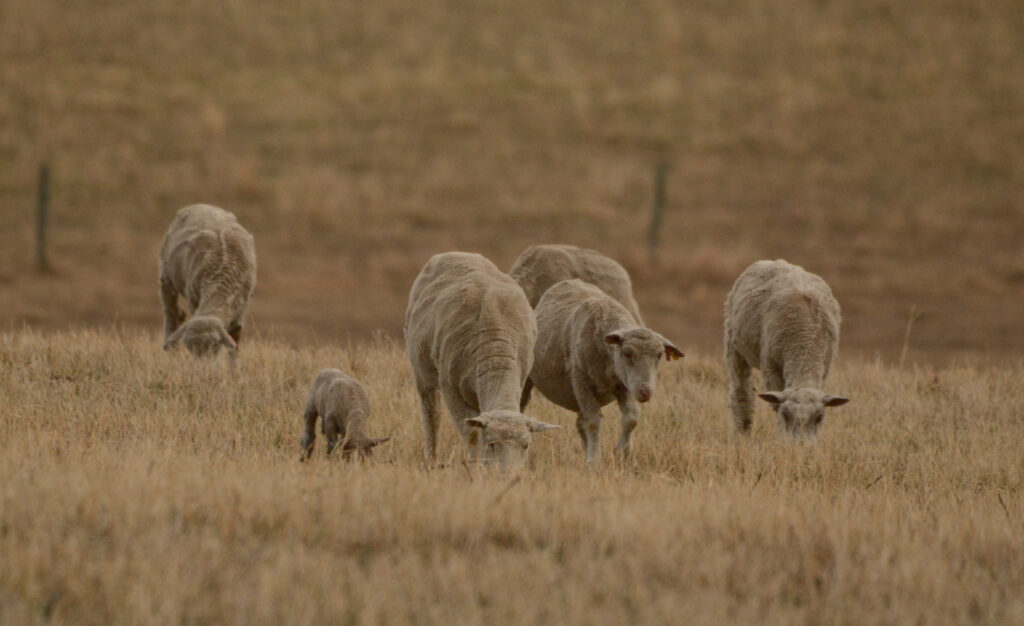
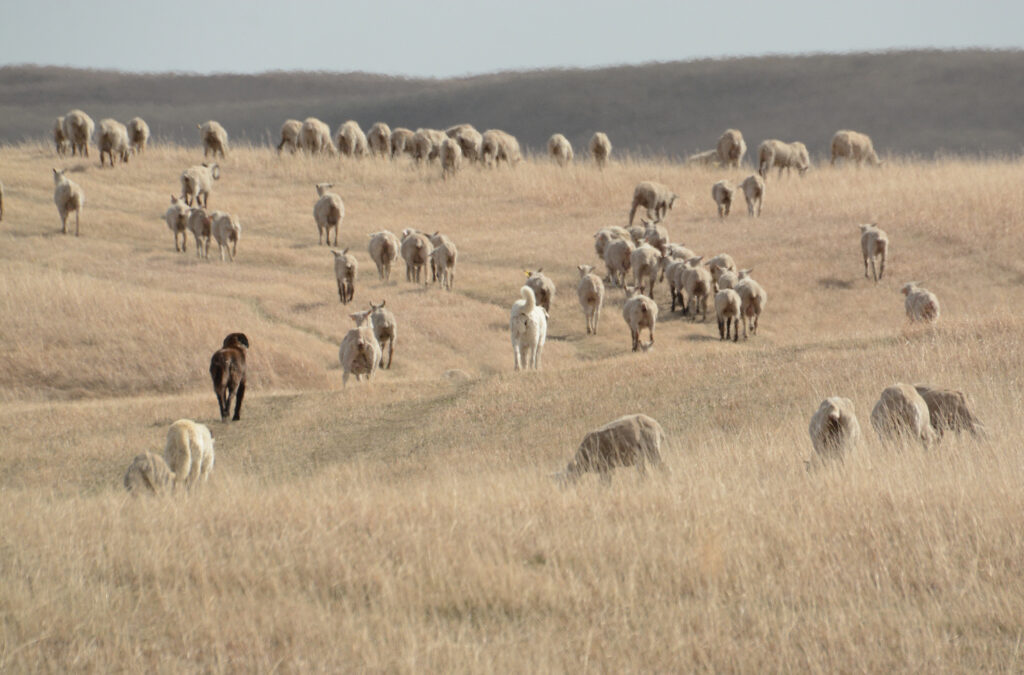
It’s late afternoon, the ewes just moved into the next grazing pasture so there is the eager activity and constant movement of grazing animals on new ground. Despite the grass being dry, dismal and dusty everywhere we go the ewes remain eager about arriving onto fresh ground. Unlike myself who struggles to see what there is to be eager about in the midst of a drought – they are a reminder to live in hope. An earlier drive to check fence lines revealed dry sloughs and wetlands. There is no surface water on this pasture. Every drop of drinking water will have to brought here by me.
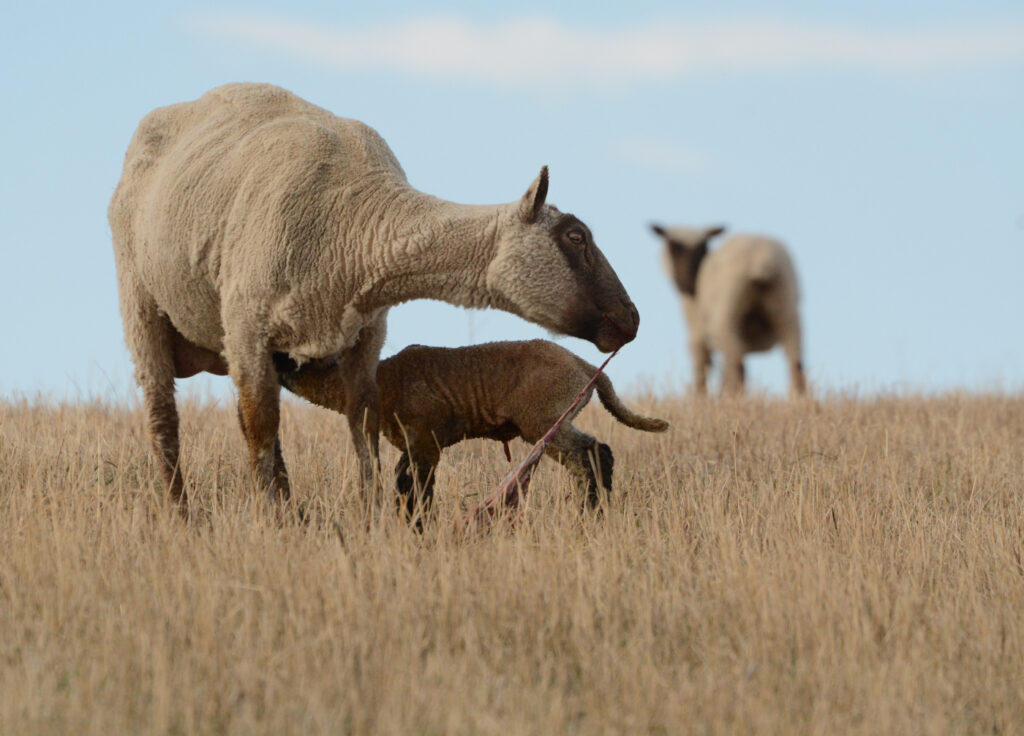
I travel the area in the side by side moving in a mentally mapped out grid pattern; this corner, that hill, into the next flat, up to the next rise. I’m watching for birthing ewes and looking for unmarked lambs of appropriate age to catch for ringing tails and nuts.
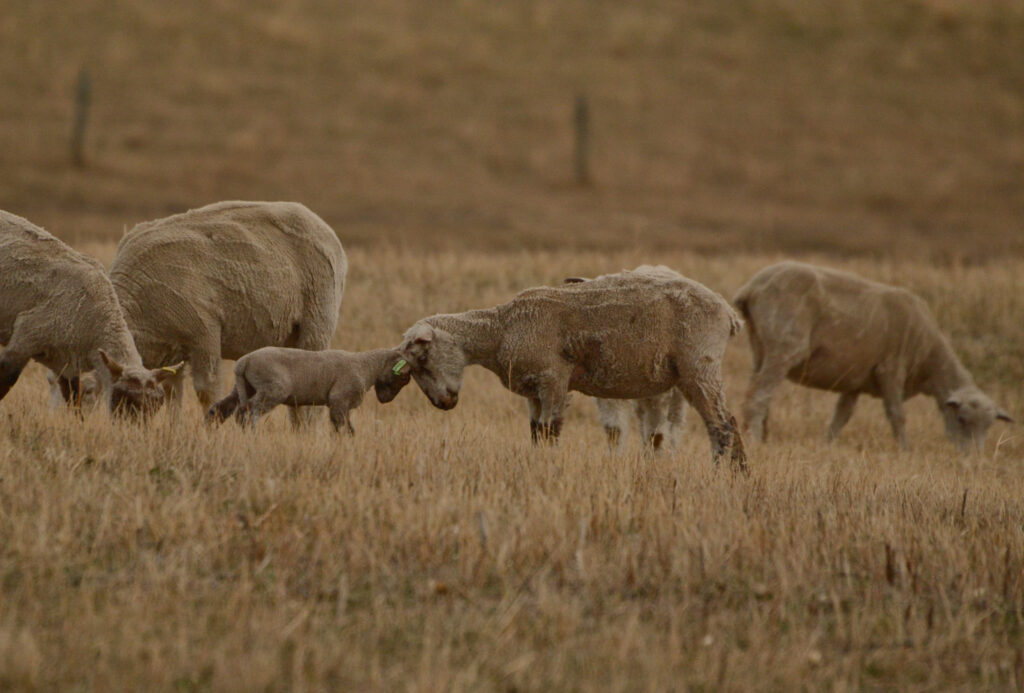
Two ewes are bawling for the lambs they lost in the move. Tired lambs are resting here and there, heedless of any calls, and numerous ewe and lamb sets travel together. The ewes bawl and in the distance a lamb wails back. No matter how much I harden my heart a bawling ewe calling for her lambs or worse a lamb crying for the ewe, always dents it. The downside of hilly landscape is the shortness of the visual sight line. You cannot see for miles out here unless you are on the right hilltop. A ewe and a lamb might be one hill over from each other and not see.
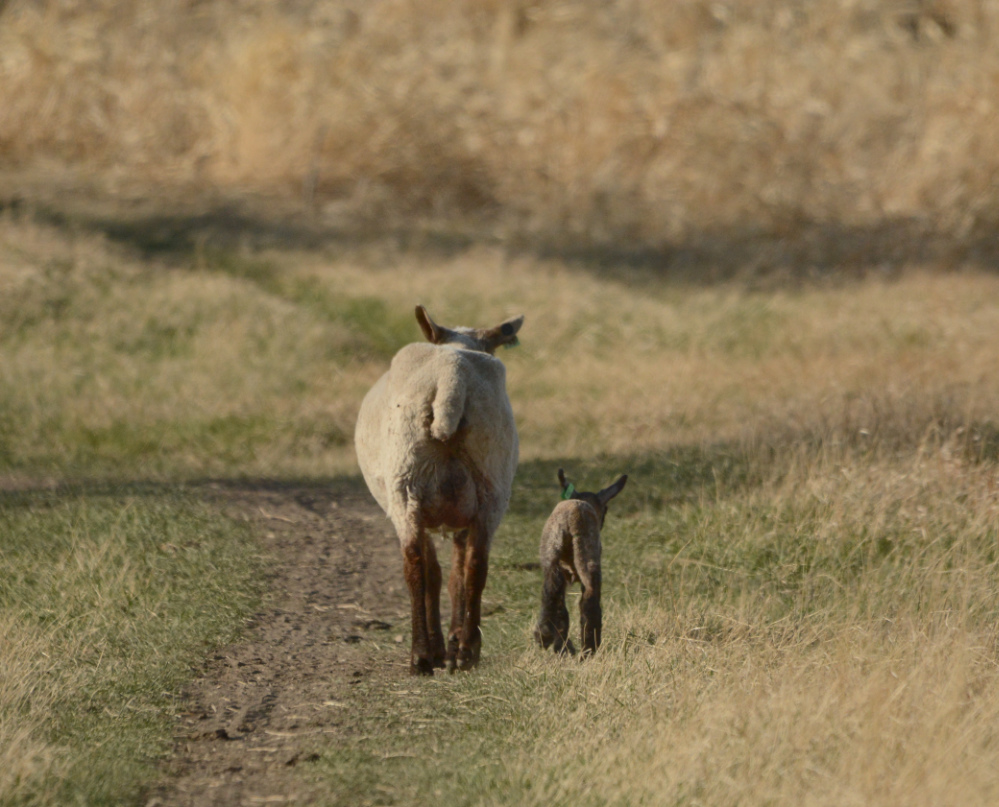
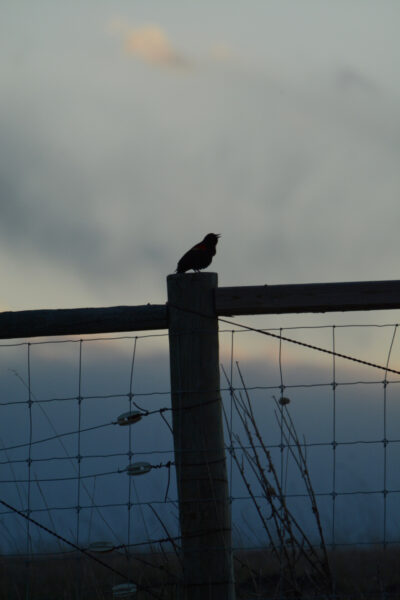
I continue to drive my grid pattern, catching the lambs I find, tagging and ringing, returning them to momma. The sound of the bawling ewe follows me around the pasture. Blackbirds sing, a hawk watches from a perch on a distant fence post. Then a meadowlark trills its wonderful song. There is a notable lack of insect noises. Too dry perhaps.
After my go around on the pasture I head back to the previous pasture and prepare to move the water bus. Dumping the trough and loading it into the back I leave the side by side, climb into the water bus and drive around, moving slowly, because the pastures are rough and the water tanks in the back are full.
Just where is the best spot for the one and only water station on pasture? Anywhere, everywhere? I park the bus and as I unload the trough and hook the hose to the float device ewes are trotting over, already in need of a drink. The call goes out, water is here. More lambs and ewes become separated in the parade of animals coming up to the water bus and crowding there. No morning dew and lack of surface water means this is a new normal this year. More bawling of lambs for ewes and ewes for lambs.
I begin my walk back to the vehicle I had to leave when I picked up the bus. Over my shoulder, one of the bawling ewes is just cresting a hilltop. She stands still and bleats. She is a wonderful silhouette against the low sun. I walk on through a hollow, skirting the center of tall, dry grass. I pass a sleeping lamb who startles awake and lets out a lamb sized screech. The right screech apparently. The ewe from the hilltop gurgles and runs over. She was returning to the last place she saw her lamb. Success, one pair reunited. My hope for the other lost pair finding each other rises a notch.
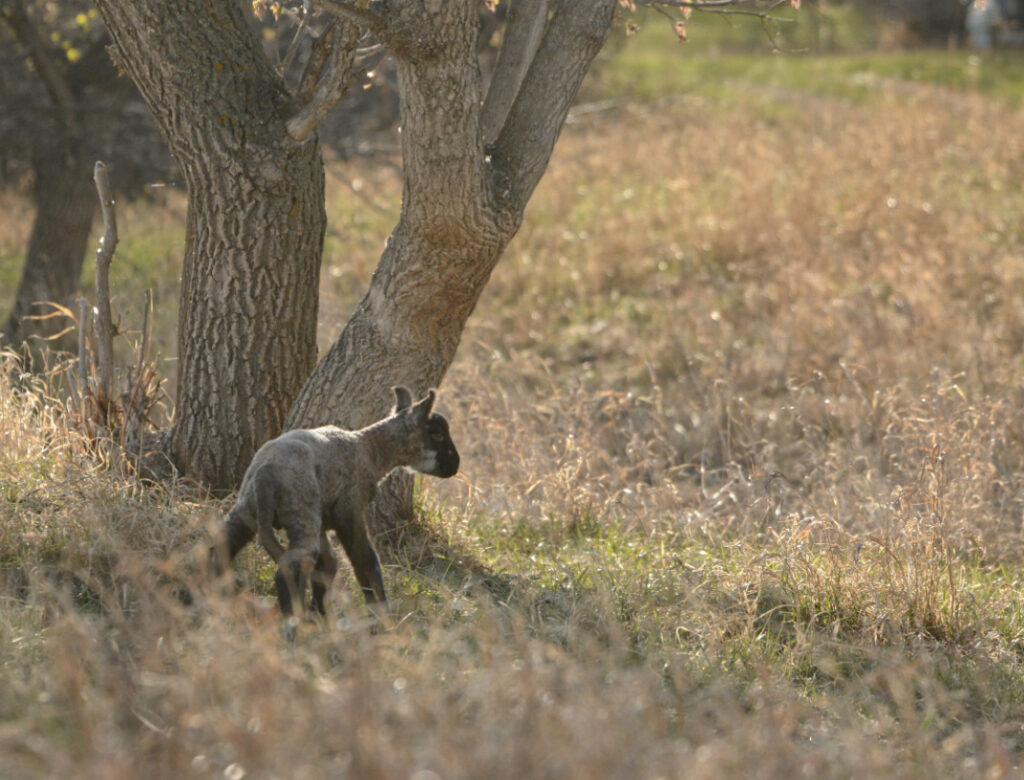
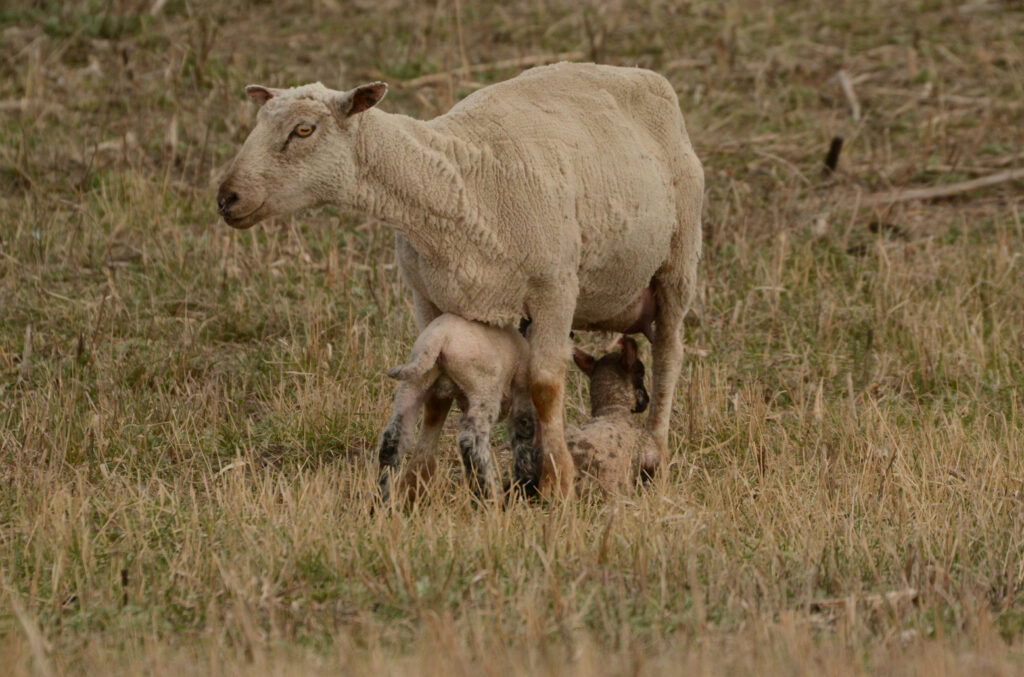
Ten days into lambing and every ewe has lambed unassisted, smooth as can be. Three deaths so far and none were today. There is no outwardly obvious hardship of loss and yet this evening, with this move, has been full of the sights and sounds of how chaotic lambing on grass can be. Pasture lambing is a lesson in trust of something outside our control. In order for it to work without overworking ourselves, in order for there to be a balance between mother nature and us, there has to be a reliance on the workings of mother nature, otherwise, what are you doing it for. You might as well call the banker, move into a barn, take nature out of the equation and control every step.
I arrive back at the side by side. Chaos or no, I’ll choose a way to balance with mother nature every time.
Pasture Lambing is a Lesson In Trust Read More »