Plotting Ewes

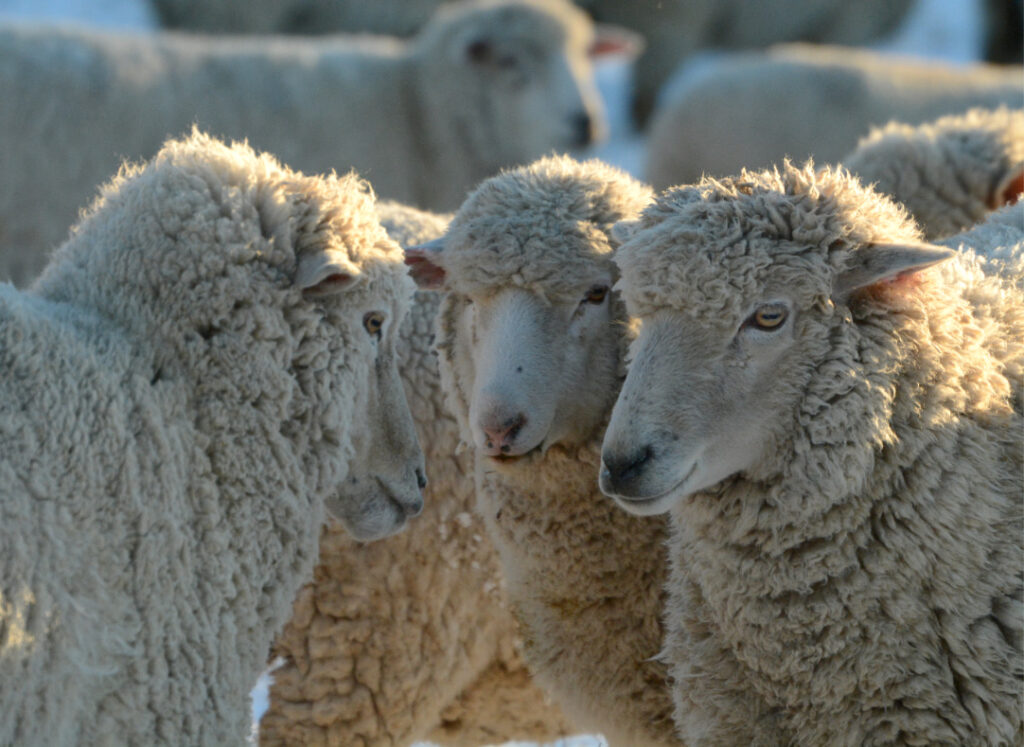
The conversation around here is a little one sided right now as ewes face off on a regular basis, showing their less than docile nature as they cycle for breeding. Sheep are often describe as sweet or docile, words that are perhaps derived more on account of their soft appearance rather than their actual nature.

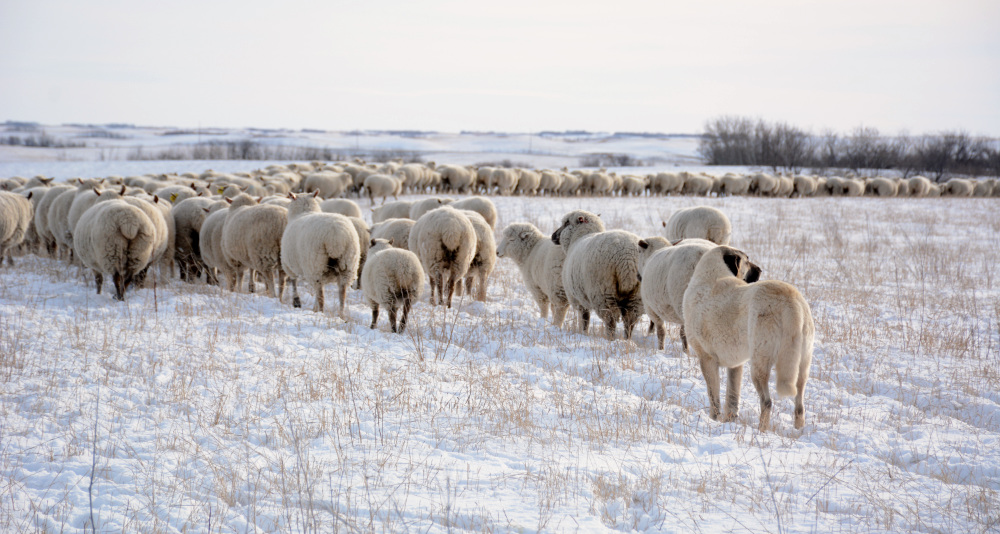
When ewes get to fighting they are far less concerned with my presence then they are when they are causally hanging out or grazing. When moving them out to pasture there is often a pair or a trio too engaged in fighting to notice the flock is leaving and when made to move to catch up they will continue butting each other as they go. They don’t quit easy. The guardian dogs are unfazed by the antics of the ewes and so long as no fighting ewes bother them they bother no fighting ewes.

The rams were turned out yesterday morning so there is plenty more jostling going on in the flock right now as rams are occupied with keeping other rams off of cycling ewes and with breeding. Over the course of the next month they will be run a little ragged; the odd individual ram will even forgo eating. With the flock being smaller there is no concern over ram power (having enough rams) so if the ewes are cooperative in timely cycling I expect the breeding season to be a short one. This of course will play out at lambing time next May/June.

Even though breeding time is the beginning of the next production year I always feel a sense of completeness with the turning out of the rams. Perhaps on account of it being the last flock task in the calendar year; much like shearing is the first flock task of the next calendar year and so it feels like a beginning. With the rams out with the flock I feel as though I have a little breathing room and I’ll take the pauses where they come.
Plotting Ewes Read More »

Remembering Death

For livestock producers, death of animals is a regular occurrence and if we’re having any luck the deaths we regularly experience are the deaths we plan for – the killing of the animals we raise for food; the death of animals who grow old and age out. A mercy kill now and again to end a perceived suffering. We can brace ourselves for these, plan when they occur and console ourselves that is all is well and good.

But there is also unexpected deaths. The deaths by predator that fill us so full of anger. The ewe who just up and dies. And the lambs, oh, the lambs who simply cannot find the will to live. There are plenty enough of those. These are deaths that make it feel like a life was stolen.

I am a tad focused on death and I always have been. I love bones and stones because I think these two features are connected to dying and to rebuilding respectively. My interest of death is not about the emotional scale of grief for the living, that topic has been covered in full, and I think that topic is a private one. My interest is about the tangible purpose of death to living a natural life. A spirit has vanished and left a body for us to deal with – what is that about? And does how we deal with it shape what we value about the nature within us?

For a moment lets not make death to be about us. Let’s make it to be about nature and purpose. In Mother Natures world death must occur as a revolution of life; death serves a functional purpose. This is not a surprising statement; we’ve all read it before or had it preached to us…and we know something of its truth. So when/why did we forget it?

To believe that we should not be touched by harm or death, or to live in fear of them occurring, is an incredibly fractured state to exist in. Because for this to be the case we must close off a very natural part of our Self and live outside of nature. And then we must have complete control over external circumstances and we must take control away from any other being who threatens otherwise. In essence we must become a factory farm and live a militant, factory life. It bears mentioning that this mirrors the state of living we have created around us right now – and that we are feeling very un-natural and broken as a result.

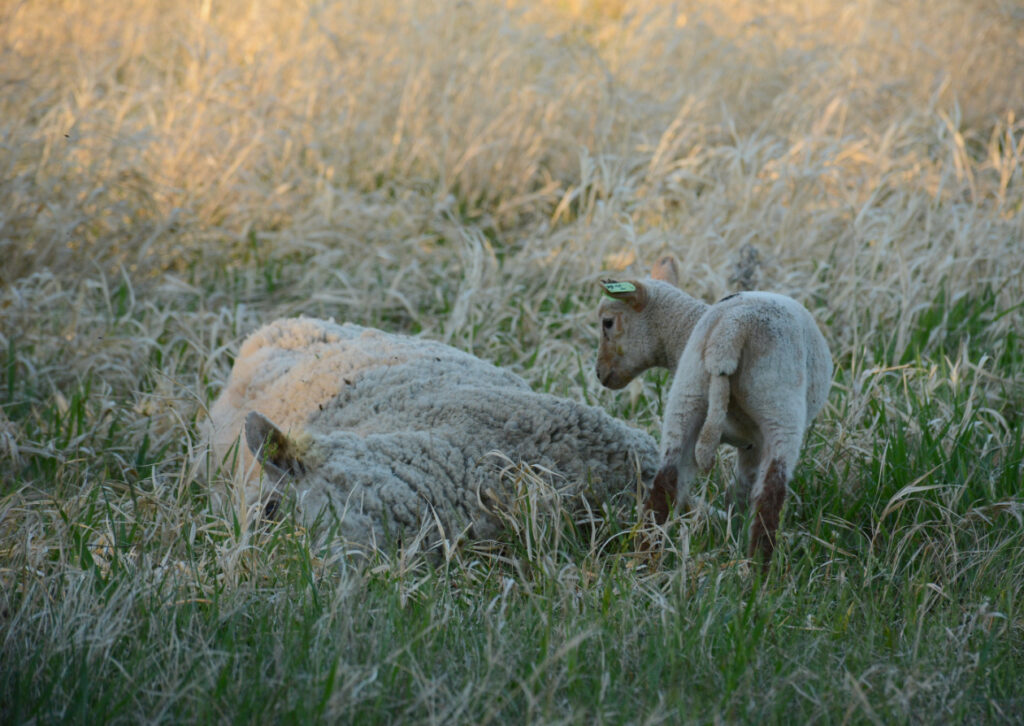
When an animal dies we have a body to look after. After transporting and depositing a ewe or lambs body to an area for natural composting I wipe out the side by side vehicle with handfuls of grass. Dead bodies leak and this cleansing with grass seems to be the most natural thing to do. It began with one of the first dead ewes I had to dispose of by myself. Over the years this habit has become my ritual. The dense feel of grass in my hand, the smell of stems plucked from the earth, the swiping motions made. These senses occur in winter too, with a little snow included. The grass does not absorb the fluid but brushes it away, back to the earth. Sometimes with my tears, sometimes not, but always with a natural simplicity that is deeply profound. When a dog dies there is immediate burial and marking the site with stones – another sort of ritual of returning to the earth and of hope for rebuilding from the loss.

A couple months ago I came across the Latin phrase ‘memento mori‘ – remembering death, acknowledging we will die. Remembering that the end game of life is too vanish. As mentioned in the previous post we will not avoid depletion. We will vanish. Life is to be lived with an awareness of death and the experience of death is to incite us to remember to live. Revolving. Circular. Natural.

Remembering Death Read More »

Fibre from The Living

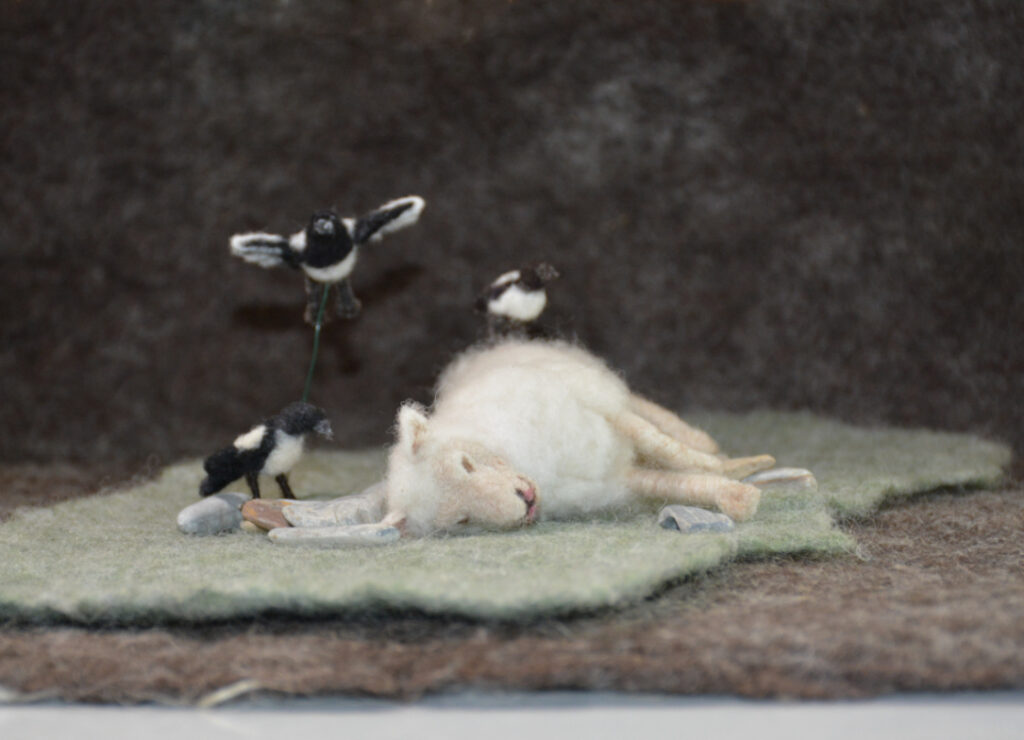
Fibre comes from the living and where there is life there is its opposite – that and Magpie’s.

When a ewe dies the wool produced is gone with that loss of life. It’s a particularly big loss to the shepherd when the fibre produced is unique or highly favoured. The handful of Corriedale ewes that piqued my fibre interest are well aged ewes now. Three of them have died. Annie, Sable and Endeavour are still here, grazing their way through old age. Several of their offspring reside in this flock.

Wool is touted as being a natural, sustainable resource which it most definitely can be, however some awareness is warranted around the oft used S-word. Sustainable is to reach for balance so as to avoid depletion of natural resources (parsed from a dictionary definition). It does not mean a life is never-ending; it does not mean we get to skip over death. Death allows for that very necessary balance to exist in the first place.

There is wool that becomes the fibre of our making because there is an animal who grows it and (hopefully) a shepherd who cares about the resources it took to do so. The animal and the shepherd will not avoid depletion but if we’re thoughtful of our choices we will see the continuation of the nature they contributed to while they were living.

I shared the Felted Flock photo and update on Instagram last Sunday and it resonated deeply with several people. I thought to include it here as the beginning of a longer conversation around death of animals and our perception of death in general. If it stirs you to be part of the conversation, please know your comments are welcome here.

Fibre from The Living Read More »